Blog
Our Blog

In the realm of consumer protection, insurance companies wield immense power. While their primary purpose should be to safeguard individuals and provide financial security in times of need, recent legislative developments have highlighted a disturbing trend: the prioritization of insurance company profits over the welfare of consumers. The Florida Tort Reform Act 2023 (also known as HB-837), stands as a stark example of this troubling phenomenon, where insurance companies stand to benefit while consumers bear the brunt of rising premiums and diminished rights. The passage of HB-837 was heralded as a step toward reducing premiums and fostering insurance company competition. However, behind the veil of propaganda lay a bill crafted to serve the interests of insurance corporations at the expense of ordinary citizens. Under the guise of reducing premiums, the true implications of this legislation have become clear: a win for insurers and a loss for consumers. One of the most glaring failures of HB-837 is the continued increase in insurance premiums Floridians everywhere are facing. With fewer checks and balances in place, insurance companies have been given free rein to hike up prices, leaving consumers grappling with exorbitant costs for essential coverage. While proponents of the bill argued that the tort reform would drive premiums down, the reality has proven to be quite the opposite. Floridians are feeling the squeeze of skyrocketing premiums with no reasonable alternatives. To manage these increasing costs, policyholders have been forced to drop valuable coverage that would have protected their family in the event of a catastrophic injury or loss. Moreover, HB-837 has eroded crucial consumer rights, further tilting the scales in favor of insurance companies. Protections once afforded to policyholders have been diluted or outright eliminated, leaving individuals vulnerable to exploitation and unfair practices. From arbitrary claim denials to limited recourse for grievances, the balance of power has shifted decisively in favor of insurers. Southwest Florida, particularly after Hurricane Ian, knows all to well what happens when an insurance company fails to treat its policyholders fairly. At the end, the true measure of a just society lies not in the profits of its corporations, but in the fair treatment and protection of upstanding citizens. As we are approach the one year mark since the biggest insurance industry handout in Florida legislative history, we ask you - who really won?
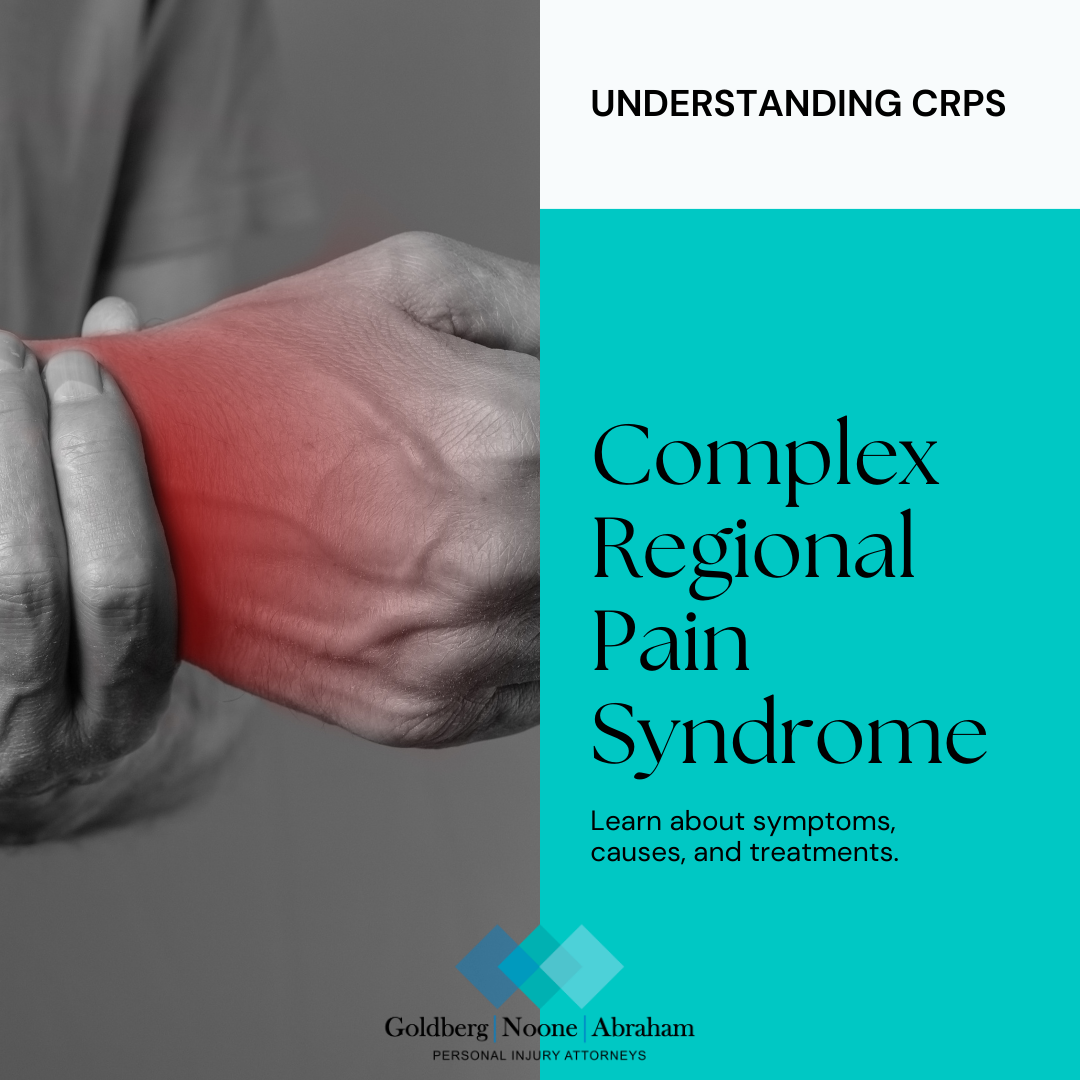
Introduction Complex Regional Pain Syndrome (CRPS), formerly known as Reflex Sympathetic Dystrophy (RSD), is a perplexing and often debilitating condition that affects a small population of people worldwide. In this blog, we will delve into the intricacies of CRPS, exploring how it is diagnosed and addressing the long-term medical needs that arise from this condition. Understanding CRPS CRPS is a multifaceted disorder characterized by persistent, severe pain, usually in one limb, although it can spread to other areas of the body over time. CRPS often occurs following an injury or trauma, such as fractures, surgery, or even minor sprains. The pain experienced by CRPS patients is out of proportion to the initial injury and often accompanied by other symptoms, including swelling, changes in skin color and temperature, and abnormal hair and nail growth. Diagnosing CRPS Diagnosing CRPS can be challenging due to its complex and variable nature. Physicians use a combination of clinical assessment and diagnostic criteria to identify the condition. Here are some steps typically involved in the diagnosis: Medical History: The first step in diagnosing CRPS involves taking a detailed medical history, including information about the onset of symptoms, previous injuries or surgeries, and any potential risk factors. Physical Examination: A thorough physical examination is conducted to assess the affected limb's appearance, skin temperature, color changes, and sensitivity to touch. Imaging Studies: X-rays, bone scans, and magnetic resonance imaging (MRI) may be used to rule out other possible causes of the symptoms and to detect any changes in bone and soft tissues. Diagnostic Criteria: The Budapest criteria for Complex Regional Pain Syndrome considers the following categories: sensory (hyperesthesia, allodynia), vasomotor (temperature changes, skin color changes), sudomotor/edema (sweating changes, asymmetry), and motor/trophic (decreased range of motion, weakness, changes affecting skin, nails, hair). Long-Term Medical Needs Individuals diagnosed with CRPS often face long-term medical needs to manage their condition and improve their quality of life. These needs can vary from patient to patient, but common aspects include: Pain Management: Pain control is paramount in CRPS management. Medications including ketamine infusions, nonsteroidal anti-inflammatory drugs (NSAIDs), and opioids may be prescribed. In some cases, antidepressants and anticonvulsants are also used to help manage pain. Physical Therapy: Physical therapy plays a vital role in CRPS treatment. It aims to improve mobility, strength, and function while addressing issues such as muscle atrophy and joint stiffness. Sympathetic Nerve Blocks: Some patients find relief from CRPS symptoms through sympathetic nerve blocks, which temporarily disrupt the pain signals sent by the sympathetic nervous system. Spinal Cord Stimulator: Spinal Cord Stimulation involves the implantation of an electrical stimulation device. The pulses work to interrupt the pain signals from your nerves and change them before they can reach your brain. A Spinal Cord Stimulator Trial involves the placement of a temporary stimulator to determine if the device will provide the relief. This procedure does not cure Complex Regional Pain Syndrome, however it may give you relief by altering the severity of the pain you feel. Psychological Support: Living with chronic pain can lead to anxiety, depression, and other psychological issues. Psychological support, such as counseling or therapy, can help individuals cope with the emotional toll of CRPS. Lifestyle Modifications: Patients often need to make significant lifestyle adjustments to accommodate their condition. This may include using assistive devices, adapting work and home environments, and making dietary changes. Ongoing Monitoring: CRPS is a long term condition, and ongoing monitoring by healthcare professionals is essential to adjust treatment plans as needed and address any complications that may arise. Conclusion Complex Regional Pain Syndrome is a challenging condition that can have a profound impact on a person's life. Accurate diagnosis, followed by a comprehensive treatment plan, is crucial for managing the condition and improving the long-term outlook for those affected. While there is no one-size-fits-all approach to CRPS, a multidisciplinary approach that addresses pain management, physical therapy, psychological support, and lifestyle modifications can offer hope and relief to individuals living with this complex and often mystifying disorder. If you were injured due to the negligence of another, and have since been diagnosed with Complex Regional Pain Syndrome (CRPS), please call our attorneys for a free consultation (239)461-5508.

Insurance, at its core, is a promise . Policyholders pay a sum of money, known as a premium , to an insurance company. In return, the company promises to pay out a specified amount should a particular event, like a car accident or house fire, occur. Theoretically, the system operates on trust and risk calculation , but the mechanics of how insurance companies profit can sometimes leave consumers scratching their heads. The Risk Calculation Insurance companies employ a fleet of actuaries, professionals skilled in mathematics, statistics, and finance, to predict the likelihood and cost of a claim. Using vast amounts of data, actuaries determine the premiums policyholders should pay. Their goal is to ensure the premium covers potential claims, operational costs, and allows for a desirable profit margin. Losses and Profits At first glance, it seems counterintuitive for an insurance company to profit from losses. After all, a large claim payout would mean that the insurer is losing money. However, it's essential to understand the bigger picture. Insurance companies pool the premiums of many customers. While one policyholder might may suffer a covered loss, several others will not. This pool of premiums, when effectively managed, should exceed the total payout for claims. Investments Insurance premiums don’t just sit idle. Once they’re collected, insurance companies actually invest a significant portion of these funds, typically in low-risk assets like bonds. The returns from these investments often form a sizable portion of an insurance company’s profit. Even if an insurer breaks even between the premiums collected and claims paid, they can still turn a profit through savvy investments. Florida Trends in Auto Insurance Florida saw its population rise enormously during the pandemic. From April 2020 to April 2021, approximately 330,000 people moved to Florida. This equated to over 900 people moving to the state each day. The busier the roads, the more likely an accident will occur. But let's look at specific causes for the rise in auto insurance premiums: 1. Rising Inflation If you are involved in a car accident, the cost to repair your vehicle is now much higher than it used to be. Skyrocketing cost of materials and labor directly impacts how much it would take to repair or replace a vehicle after a crash. 2. Rising Cost of Healthcare Similarly, higher healthcare costs play a role in pushing up premiums. At Goldberg Noone Abraham, we are seeing the average hospital bill after a car accident 2-3x higher than what we saw just ten years ago. While there are many factors resulting in these high charges, the patient or victim of the car accident is still left with that debt, resulting in more insurance claims for reimbursement. The same is true for their future medical needs. What once seemed affordable is no longer. 3. Uninsured Drivers Florida ranks sixth among the states with the highest percentage of uninsured drivers. In addition, in Florida, vehicle owners are not required to carry bodily injury liability insurance. This means a reckless driver can cause an accident, resulting in injuries, and lawfully have no insurance to pay for the consequences. We have urged our legislature to change the law to ensure people are held accountable, instead of forcing people to use their own insurance to pay for someone else's negligence. 4. Litigation Costs Insurance companies often point the finger at the consumer for the increase in lawsuits, but in reality -- insurance companies are consistently wrongfully denying claims and lowballing the consumers they feel they can take advantage of. This course of dealings leads to lawsuits as consumers are left with no choice but to hire an attorney to get the insurance company to do the right thing. In some circumstances, insurance companies have been heavily fined for its practices of knowingly denying valid claims. When insurance companies are held to higher standards, good faith claims handling practices will increase and litigation costs will go down. Ultimately, there are a number of factors that contribute to the rise of insurance premiums. While insurance companies are for-profit entities and have strategies to ensure profitability, it's essential for consumers to be informed. Understanding how premiums are calculated and where the money goes can lead to better choices in policies and planning.

As a parent, one of the most important decisions you will make is choosing the right daycare for your child. You want to be sure that your child is in a safe, nurturing environment while you are at work. Unfortunately, not all daycares live up to this expectation, and sometimes children are injured as a result of carelessness, or even worse, intentional abuse. If your child has been injured while in the care of a daycare, you may be wondering what your options are. Daycares have a legal duty to provide a safe environment for the children in their care. This duty of care includes ensuring that the facility is properly maintained, the equipment is safe, the appropriate child to caregiver ratio is met, and the staff is properly trained. If a daycare fails to meet this duty of care, and a child is injured as a result, the daycare may be held liable for the child's injuries. Types of Injuries There are many different types of injuries that can occur in a daycare setting. Some common injuries include: Injuries from unsafe playground equipment or furniture Burns from hot liquids or surfaces Choking or suffocation Ingestion of toxic substances Physical abuse by staff Sexual abuse by adults permitted to be around the children If your child has suffered any of these injuries while in the care of a daycare, it is important to seek legal representation from a personal injury law firm with experience advocating for children's rights. The Goldberg Noone Abraham law firm will conduct a thorough investigation, including reviewing the facility's licensure, history of violations, and other incidents. It is important to act quickly, because evidence must be preserved, especially surveillance videos that may have recorded the incident itself. There are many regulations that apply to licensed childcare facilities, and it is important that facilities be held accountable when failure to abide by those regulations lead to preventable injury, abuse, or death. Florida Statute 402.305 provides the following Licensing Standards for child care facilities: (1) LICENSING STANDARDS.—The department shall establish licensing standards that each licensed child care facility must meet regardless of the origin or source of the fees used to operate the facility or the type of children served by the facility. (a) The standards shall be designed to address the following areas: 1. The health, sanitation, safety, and adequate physical surroundings for all children in child care. 2. The health and nutrition of all children in child care. 3. The child development needs of all children in child care. This Statute also provides minimum staff to child ratios: 4) STAFF-TO-CHILDREN RATIO.— (a) Minimum standards for the care of children in a licensed child care facility as established by rule of the department must include: 1. For children from birth through 1 year of age, there must be one child care personnel for every four children. 2. For children 1 year of age or older, but under 2 years of age, there must be one child care personnel for every six children. 3. For children 2 years of age or older, but under 3 years of age, there must be one child care personnel for every 11 children. 4. For children 3 years of age or older, but under 4 years of age, there must be one child care personnel for every 15 children. 5. For children 4 years of age or older, but under 5 years of age, there must be one child care personnel for every 20 children. 6. For children 5 years of age or older, there must be one child care personnel for every 25 children. 7. When children 2 years of age and older are in care, the staff-to-children ratio shall be based on the age group with the largest number of children within the group. If your child has been injured due to the negligence of a daycare, Goldberg Noone Abraham will fight to ensure your child's rights are protected. D aycares have a duty of care to provide a safe environment for your child, and if they fail to meet that duty, they may be held liable for your child's injuries. To learn more, or to set up a free consultation, call (239) 461-5508 or e-mail Info@goldberg-law.com.
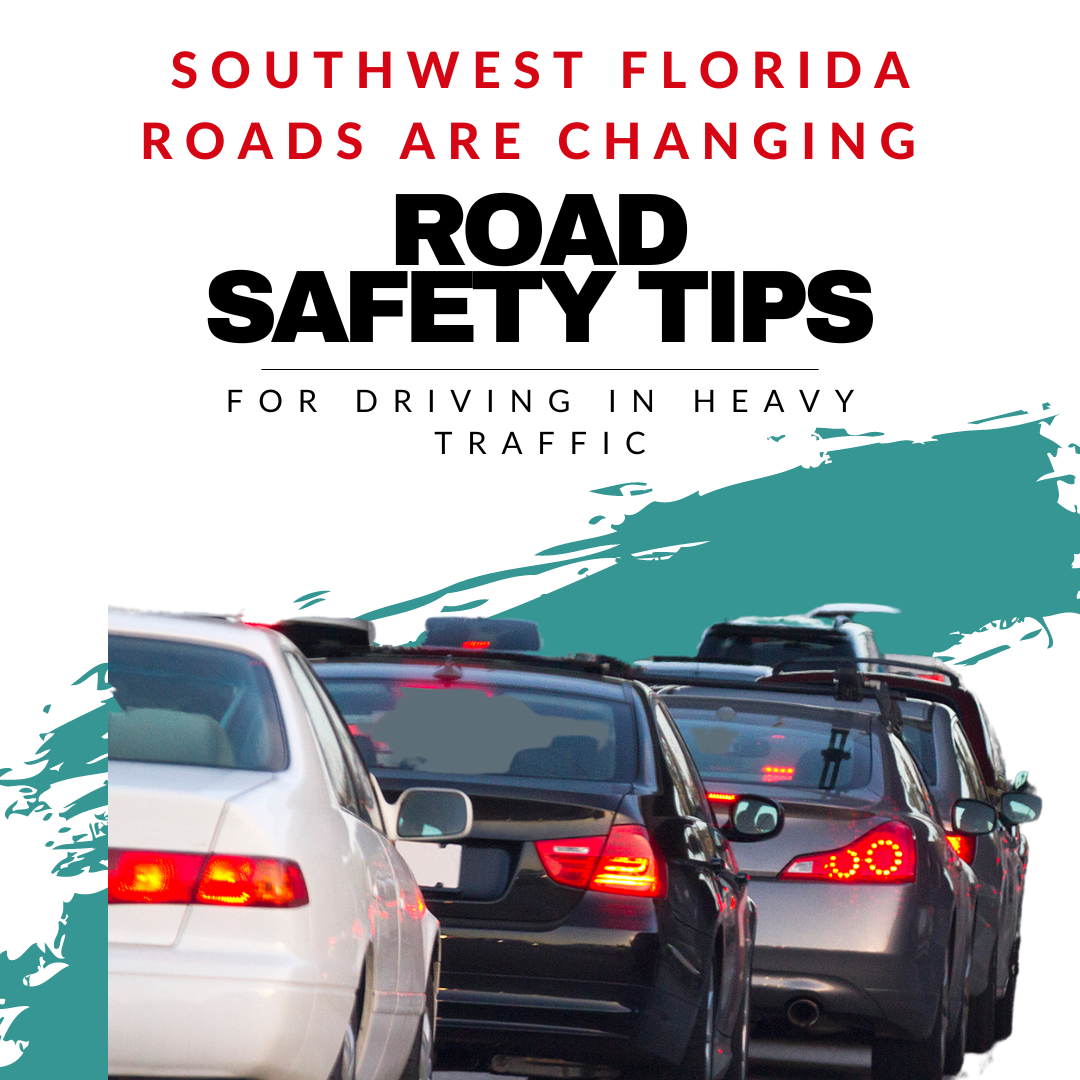
We have all noticed the extra time our commute to work, school, or the average errand is taking. The number of vehicles on Southwest Florida roads has been steadily increasing over the last few years. Roadway expansions and maintenance are also underway. When there is heavy traffic, there is always an increased risk of more accidents. Below are 4 tips for driving safely in heavy traffic: Keep a safe distance : It's important to maintain a safe distance between your vehicle and the one in front of you, especially in heavy traffic. This gives you enough time to react in case the other driver suddenly brakes or changes lanes. A good rule of thumb is to maintain a distance of at least one car length for every 10 mph of speed. Stay alert and focused : In heavy traffic, it's easy to get distracted by all the other cars around you. Avoid using your phone or engaging in other activities that take your focus away from the road. Stay alert and aware of your surroundings, and be prepared for sudden changes in traffic flow. Use your turn signals : Using your turn signals is important in heavy traffic to signal your intentions to other drivers. This helps avoid confusion and reduces the risk of collisions. Always signal before changing lanes or making a turn, and be sure to check your mirrors and blind spots before doing so. Be patient : Patience is key when driving in heavy traffic. It can be frustrating to be stuck in a slow-moving line of cars, but getting angry or impatient won't help you get to your destination any faster. Instead, take a deep breath, stay calm, and focus on driving safely. Remember that everyone else on the road is also trying to get where they're going, and we all need to share the road responsibly. Despite doing everything right, you may still become the unfortunate victim of automobile negligence. If another person hits you while on the road, our attorneys are available 24/7 at (239)461-5508 to answer your questions immediately after an automobile accident. With offices in Fort Myers and Cape Coral, we serve all of Southwest Florida.
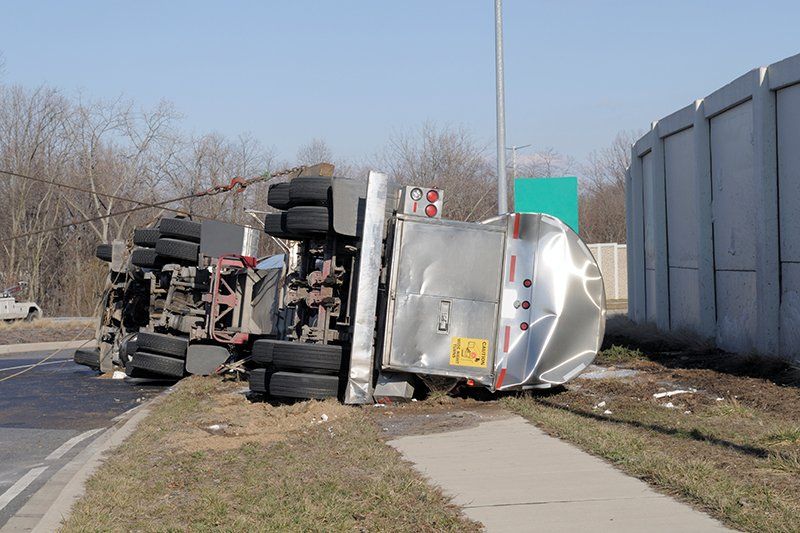
In the days, weeks, and months following Hurricane Ian, Southwest Florida has seen inoperable traffic lights, stop signs blown down, and intersections with huge piles of debris blocking the views of drivers and pedestrians. While these hazards on a roadway alone are dangerous enough, there are also several other conditions affecting the increase in motor vehicle crashes in Fort Myers, Cape Coral, Estero, Bonita Springs, North Fort Myers, and surrounding areas: INCREASED TRAFFIC Hundreds of contractors and renovation companies have come to Southwest Florida since Hurricane Ian to handle the extensive repairs required as a result of the damage SW Florida sustained. The companies have come with huge trucks, crews of workers, large equipment and many additional work vehicles. The more vehicles on the road, the more likely accidents will take place in our area, especially in smaller areas only designed to handle so much vehicular traffic. ROADWAY REPAIRS AND DEBRIS REMOVAL Many roads are still partially closed while work is being performed, leaving a single lane for the flow of two directions of traffic. While these repairs and debris removal is extremely necessary, it does slow down traffic and often leaves inattentive drivers surprised when they come to a sudden stop or change in the normal flow of traffic. Further, we are seeing many work vehicles blocking a single lane of traffic, without proper warnings or personnel there to guide traffic around the vehicle blocking traffic. This forces drivers to quickly evaluate and proceed into the opposite lane of oncoming traffic, often miscalculating the speed and distance of the traffic ahead. DISTRACTED DRIVING One thing that has remained consistent is the amount of distracted driving continuing to endanger the public. While many people are tired of the post-Hurricane Ian conditions that remain on our roadways, now is not the time to relax and forget about the dangers on the road. More pedestrian traffic, inadequate lighting from inoperable signs and lights that used to shine onto the streets at night, often leads to crashes with devastating consequences. If you or a loved one has been injured in an automobile accident, our attorneys are available 24/7 at (239)461-5508 to guide you through the steps ahead. If roadway factors played a role in the accident, photographs of the area are particularly valuable.
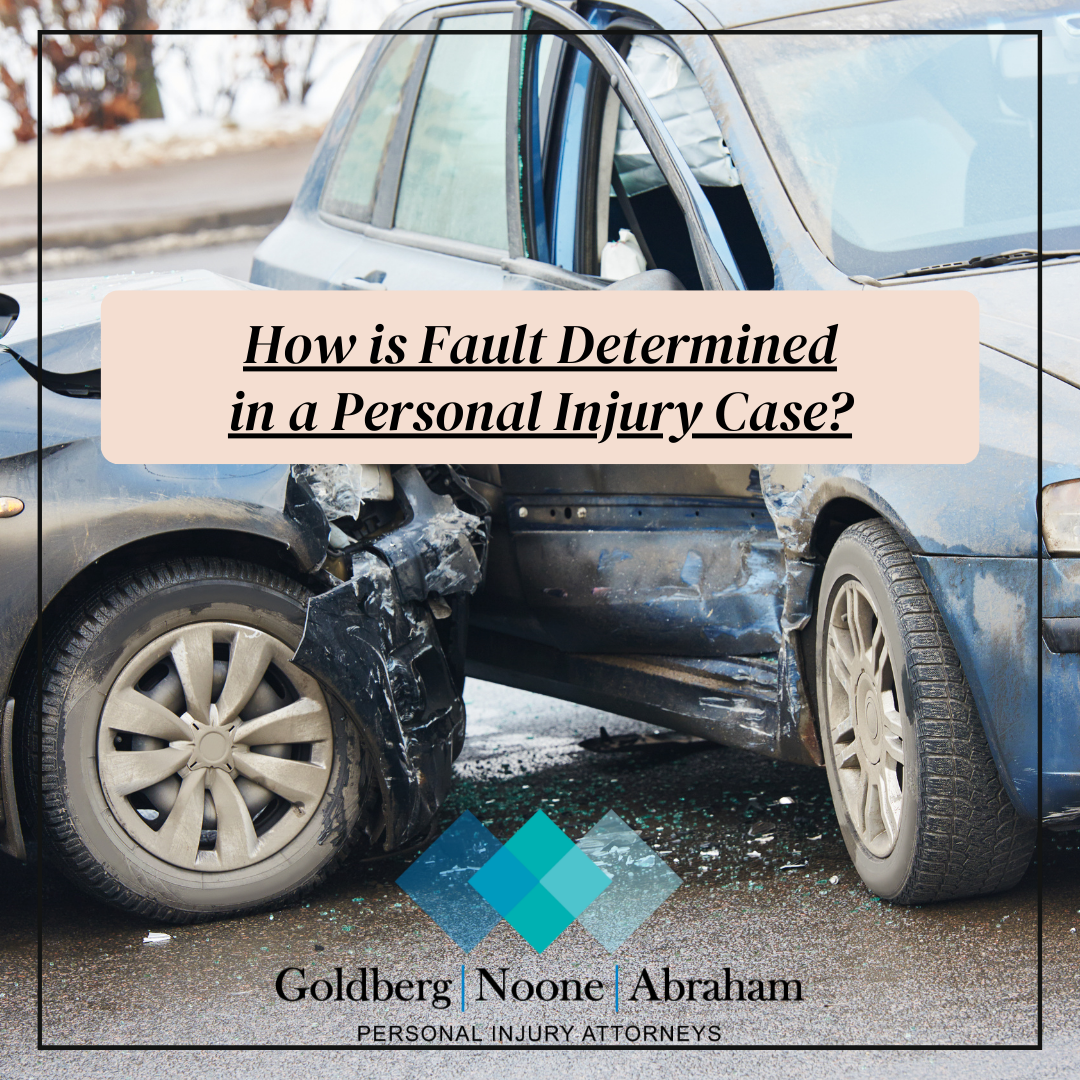
Comparative negligence is a principle that guides an insurance company’s evaluation of a personal injury claim. The state of Florida is a “Comparative Negligence” state. This means if someone is injured in Florida as a result of another’s negligence, compensation for injuries one is entitled to is reduced by his or her own share of responsibility. Some cases are obvious, such as those involving a drunk driver or a rear-end crash caused by a distracted driver. But, like most things in life, the determination of who is at fault for an accident is not simply black and white. We often hear people say “I received the citation but I believe the other person is responsible for causing this accident.” In many situations, two vehicles in an accident may bear some portion of responsibility. For example, suppose Person A is traveling with the right of way through an intersection, when person B, coming from the opposite direction starts to approach a left turn directly into person A’s path. Person A is unable to avoid Person B, and as a result, their vehicles crash. Person A suffered serious injuries. However, the investigation reveals that Person A was traveling 15 miles over the speed limit. This is an example of a case involving “comparative negligence.” Person A’s compensation will be reduced by his own share of responsibility in causing this accident. But who makes the determination of the share of responsibility? In most cases, a jury will make this determination during a civil trial. The judge will instruct the jury on the laws that apply to a specific set of circumstances, and then after hearing all of the evidence, a jury will make the final allocation of responsibility. While the Florida Traffic Crash Report is a very important resource for evaluating the facts of an accident, there are instances where the analysis of law enforcement is limited. This can be due to a variety of factors, such as critical witnesses not remaining at the scene after an accident, vehicles that were removed from the scene before being fully analyzed, and in many instances - one of the driver’s injuries were so serious, they are unable to share their account of the incident. If you or a loved one has suffered serious injuries as a result of an accident, and another individual may be responsible, call Goldberg Noone Abraham immediately for a free consultation. Our team will investigate the facts and circumstances, and give you our honest assessment as to whether you have a valid claim.

Are you sure you and your family are protected if you are the victim of an automobile accident? Trial attorney and partner, Michael Noone, warns consumers to be weary of insurance companies that tell you to 'Only Buy What You Need.’ He explains that this phrase really means the insurance company will try to push only those coverages that lead to the largest profit margins for the insurance company. Uninsured/Underinsured Motorist (UM) coverage is the most important coverage you can purchase to protect you and your loved ones, but is not a huge profit maker to insurance companies. Because of this, the state of Florida actually had to pass a law forcing insurance companies to offer this coverage when they sell bodily injury liability coverage, because many insurance companies would not do it on their own. In Florida, bodily injury liability coverage is not required, so there are many drivers on the road with no way of paying for the injuries they cause. Uninsured/Underinsured Motorist (UM) coverage is designed to protect you if you are involved in a car accident with a driver who lacks adequate insurance to pay for your injuries. We see way too many accidents where the at-fault driver has no insurance coverage to pay for the medical bills or lost wages they cause. In many cases, when our client also has no UM coverage, there is nothing we can do. Florida Statute 627.727 lays out the requirements insurance companies must follow to verify that a consumer is knowingly rejecting UM coverage or selecting lower limits than the bodily injury liability coverage they have on their policy. It states: The rejection or selection of lower limits shall be made on a form approved by the office. The form shall fully advise the applicant of the nature of the coverage and shall state that the coverage is equal to bodily injury liability limits unless lower limits are requested or the coverage is rejected. The heading of the form shall be in 12-point bold type and shall state: “You are electing not to purchase certain valuable coverage which protects you and your family or you are purchasing uninsured motorist limits less than your bodily injury liability limits when you sign this form. Please read carefully.” If this form is signed by a named insured, it will be conclusively presumed that there was an informed, knowing rejection of coverage or election of lower limits on behalf of all insureds. The insurer shall notify the named insured at least annually of her or his options as to the coverage required by this section. Such notice shall be part of, and attached to, the notice of premium, shall provide for a means to allow the insured to request such coverage, and shall be given in a manner approved by the office. The legislature took these steps because they also know how important it is to have uninsured/underinsured motorist coverage to protect you and your family.

First reported by CNN

In 2016, the drugmaker Mylan, now known as Viatris Inc, faced widespread public outrage and condemnation due to a dramatic increase in the price of EpiPen allergy treatments, an auto-injectable device that delivers the drug epinephrine for use when experiencing a life-threatening allergic reaction known as anaphylaxis. That price increase saw a pair of EpiPen treatments soar from $100 in 2008, to $600 in 2016, making it less accessible for the patients who needed it.
We’re only a phone call away! Call our Fort Myers or Cape Cod law office now and let us know how we can help.
Contact Information
Fort Myers
Address: 1533 Hendry Street
Suite 200 (Second Floor)
Fort Myers, FL 33901
Fax: 239-461-3915
Cape Coral
239-208-3000
Address: 1625 S.E. 47th Terrace
Suite 1
Cape Coral, FL 33904
Fax: 239-461-3915
Office Hours
- Mon - Fri
- -
- Sat - Sun
- Closed
Available 24 hours, 7 days a week